For years, it felt like physical media was headed for extinction. And yet, here we are: vinyl records are thriving, cassette tapes are enjoying a niche revival, and now (following a recent spike in sales) people are asking the question: are CDs making a comeback?
While compact discs may never reclaim their late-1990s dominance, there’s no denying a renewed interest in CDs in the digital age. From secondhand stores’ shelves heaving with CDs to artists selling them at merch tables, the CD comeback is real.
In this blog, we explore what CDs are, why they became so popular, what caused their decline, and why CDs are making a comeback today.
WHAT ARE CDs?
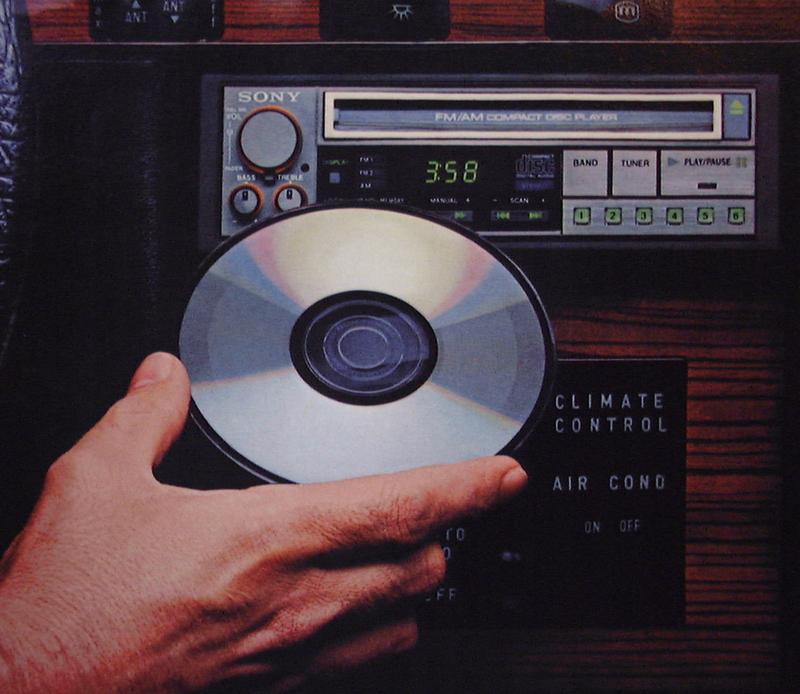
A compact disc (CD) is an optical storage medium used to store digital data, most famously audio recordings. Unlike vinyl records or cassette tapes, CDs store music digitally, using a laser to read microscopic pits encoded on the disc’s surface.
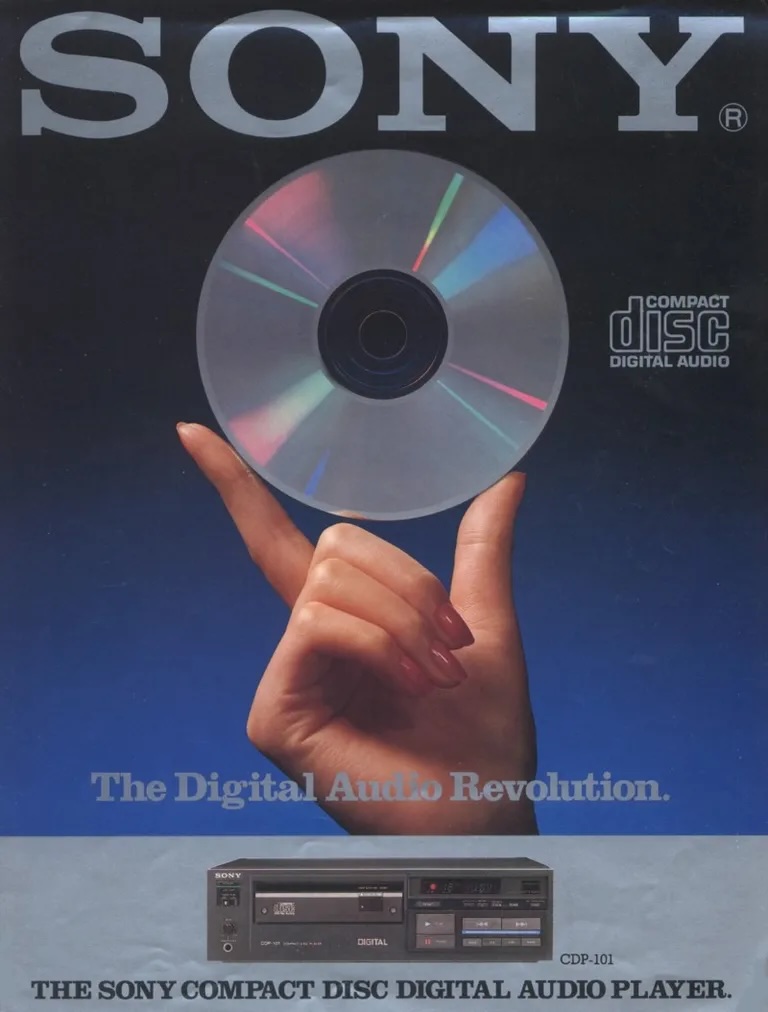
Compared to vinyl and cassettes, this technology offers cleaner playback, consistent sound quality, and easier mass production. The first ever audio CD was an 1982 album by Swedish pop group ABBA called The Visitors.
By 1988, CD sales in the US overtook vinyl LPs, and throughout the 1990s, CDs remained the dominant music format worldwide.
WHY WERE CDs SO POPULAR?
CDs didn’t just replace vinyl and tapes by accident. They provided an upgrade for music lovers and casual listeners.
SUPERIOR AUDIO QUALITY
Compared to cassette tapes, CDs delivered clearer sound with no hiss, warping, or gradual degradation during playback. They also offered a more consistent listening experience than vinyl, particularly for those without high-end audio equipment.
DURABILITY AND CONVENIENCE
CDs were marketed as tough and long-lasting. “Perfect sound forever” was an early slogan, and — while that promise turned out to be optimistic — CDs were still far more resilient than tapes. If you have any old ones in your collection, you can probably attest to that!
Plus, the convenience was novel: no rewinding, no flipping sides, and no fragile grooves to be wary of.
MARKETING AND INDUSTRY BACKING
Record labels fully embraced CDs, encouraging consumers to repurchase albums they already owned on vinyl or cassette. Retailers and media companies all aligned behind the format, accelerating its adoption.
By the late 1990s, CDs accounted for the vast majority of music sales, with global revenues peaking around the year 2000.
WHY DID CDs FALL OUT OF FAVOR?
After years at the top, CDs fell out of favor surprisingly fast.
MP3s AND FILE SHARING
The early 2000s ushered in compressed digital audio files and peer-to-peer platforms like Napster and LimeWire. Suddenly, music was portable, instant, and often free (even if not legally so). Physical ownership began to feel unnecessary.
LEGAL DIGITAL DOWNLOADS
Apple’s iTunes Store legitimized digital music purchases, offering individual song downloads without the need for a physical disc. Consumers no longer had to buy an entire album to hear one track.
STREAMING TAKES OVER
Streaming services like Spotify, Apple Music, and YouTube ultimately changed listening habits for good. Access replaced ownership, and convenience trumped collection-building.
CD sales hit their peak in 2001, with over 900 million units sold worldwide. That number saw a steady decline throughout the next decade, dropping from billions in annual revenue to a fraction of their former peak. By 2009, worldwide sales were under 300 million, and in 2019, less than 50 million were sold.
ARE CDs MAKING A COMEBACK?
So, are music CDs making a comeback, or is this just nostalgia talking?
Recent sales data suggest there is, in fact, renewed interest. While nowhere near their historical highs, CD sales have stabilized and even grown slightly in some markets over the past few years.
This doesn’t mean CDs are replacing streaming. Instead, they’re carving out a smaller but meaningful role in today’s music ecosystem. The CD comeback is real, but it’s more of a resurgence of interest for collectors, rather than a full-scale return to dominance.
For some context, over the last couple of years, sales of music on physical media (including vinyl, cassette, and CD) in the US have represented 10.5% of all music sales.
WHY CDs ARE MAKING A COMEBACK
Yes, streaming may be convenient, and digital music requires no clutter or extra equipment. But that doesn’t stop music lovers from driving renewed attention to CDs.
NOSTALGIA AND TANGIBILITY
For many listeners, CDs represent a more intentional relationship with music. There’s something meaningful about holding an album and flipping through liner notes while listening. Physical ownership creates an emotional connection that streaming doesn’t quite nail.
COLLECTIBILITY AND LISTENING RITUALS
Collectors enjoy organizing shelves, hunting for rare pressings, and revisiting albums front to back. CDs simply require less space, and aren’t as fragile or pricey as vinyl.

AUDIO QUALITY AND PERCEIVED VALUE
Audiophiles will never stop debating formats, but the fact is that CDs offer uncompressed audio that isn’t dependent on internet quality or subscription tiers. For some listeners, CDs feel more reliable than streaming, and more consistent across devices.
LOWER PRICE AND EASY AVAILABILITY
One major reason CDs are making a comeback is affordability. As many people cleared out their collections years ago, secondhand CDs flooded the market. Today, it’s easy to find albums online or in thrift stores for just a few dollars, which is far less than new vinyl releases.
FAN AND ARTIST MOTIVATIONS
Artists are also driving interest. CDs remain popular at live shows and merch tables, where fans want something tangible to support the musicians they love. Limited editions, signed copies, and bundled merch help CDs feel special again.
WILL THIS CD COMEBACK LAST?
So, will CDs make a comeback that truly lasts… or is this just a temporary trend?
It’s unlikely CDs will ever return to their late-90s peak, but their renewed relevance is a strong indication that even in our digital world, people still desire physical ownership.
One important consideration, however, is longevity. While CDs are more durable than tapes, they’re not indestructible. Most CDs have an estimated lifespan of 20 to 50 years, depending on manufacturing quality, storage conditions, and handling.
That timeline may sound generous, but for anyone rediscovering old collections or buying vintage discs, it matters. Heat, humidity, scratches, and disc rot can all compromise playback over time. Preserving CDs through proper storage or digital transfer ensures the music survives long after the trend fades.