
WHAT IS 35MM 135 FILM?
If you’ve ever held a strip of 35mm negatives up to the light, you’ve looked at one of the most enduring formats in photography. Even though digital cameras have taken over most day-to-day shooting, this classic film hasn’t disappeared.
In fact, 35mm negatives (aka 135 film) are still produced by major manufacturers and remain surprisingly easy to find, whether you’re picking them up for a vintage camera or rediscovering rolls from years ago. But what is 35mm 135 film?
We still see 35mm negatives come through our doors constantly, from family collections to professional archives. So, let’s learn more about 135 film.
DEFINING 35MM 135 FILM?
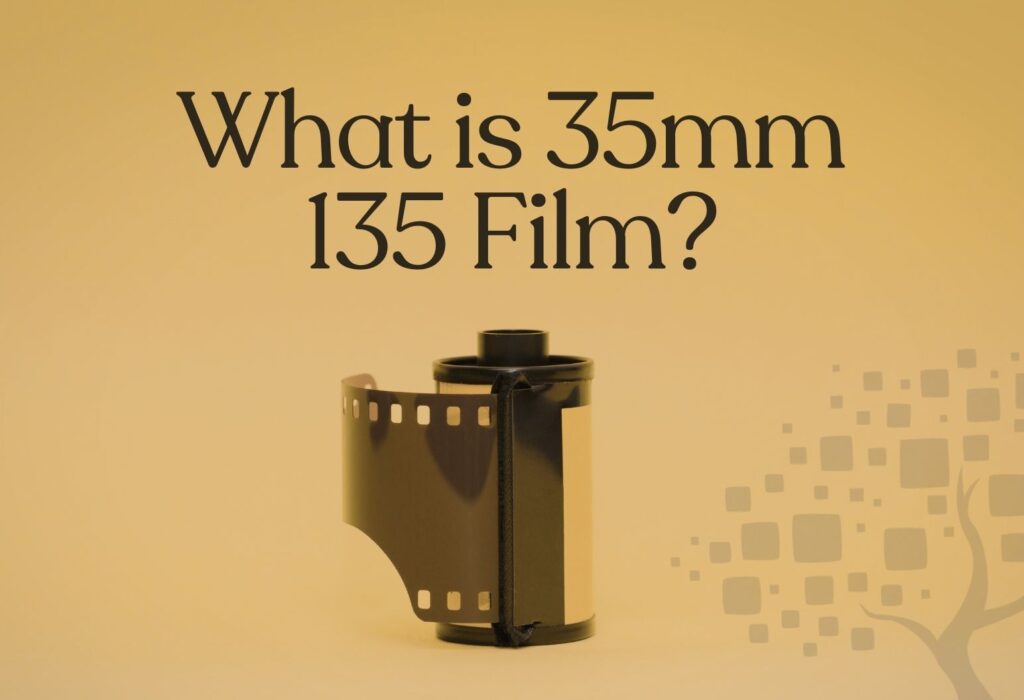
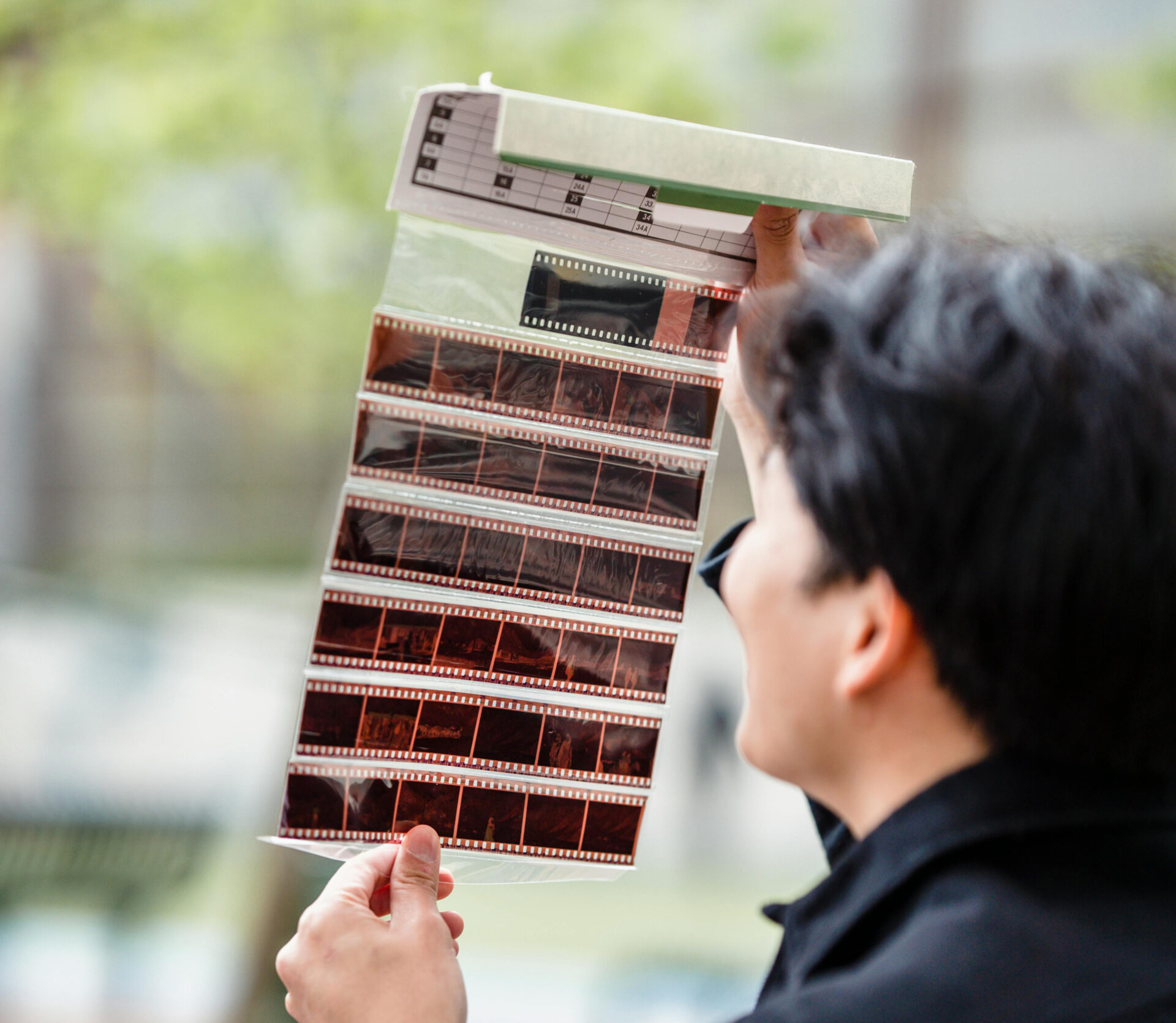
A 35mm negative is a still-photography format that uses film strips measuring 35 millimeters in width. Each frame is typically 36×24mm, which became the standard size for most consumer and professional cameras for decades. When people talk about “standard film,” this is usually what they mean.
You’ll also hear these 35mm negatives being called 135 film, which is simply Kodak’s official designation for the format. It refers to the film’s cartridge type rather than the image size, but over time, the two terms became interchangeable. So, whether someone says 35mm negatives or 135 film, they’re talking about the exact same thing.
KEY CHARACTERISTICS OF 135 FILM
Historically, this format reshaped photography. Kodak introduced the first 135 film for still cameras in 1934, making it easier for everyday photographers to load, shoot, and develop film.
Its convenience, image quality, and portability made it wildly popular, and by the late 1960s, it had become the dominant format used around the world.
Here’s an overview of the key characteristics that made it so popular.
- Film width: The strip itself measures 35mm across, which is where the name comes from.
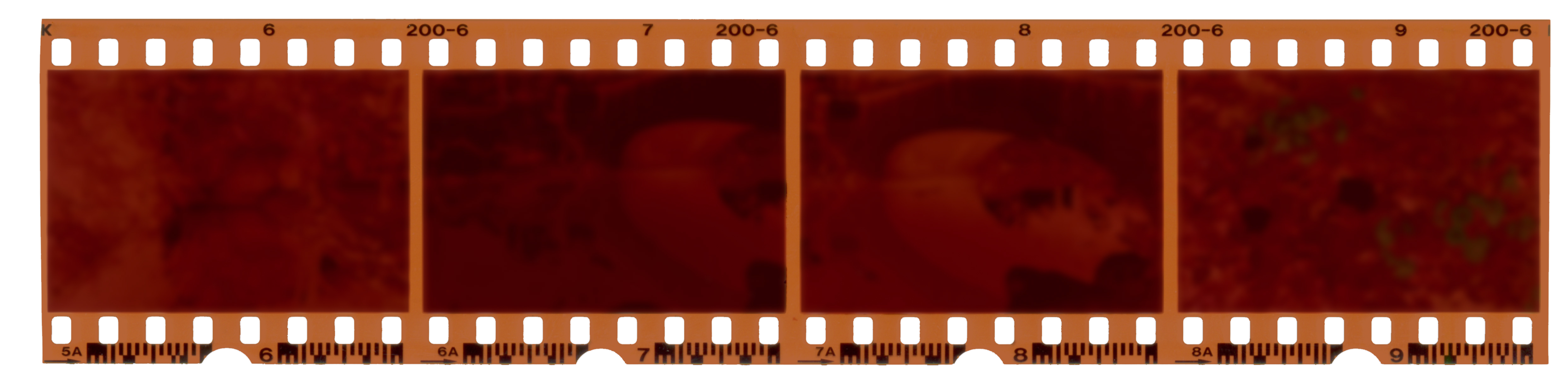
- Image size: Each frame is 36mm × 24mm, a size often referred to as “full frame” in the digital world.
- Perforations: These are the small holes running along both edges of the film, which guide the film smoothly through the camera’s transport mechanism and ensure each frame advances evenly.
- Roll length: Most rolls contain 24 or 36 exposures, though shorter “test rolls” and specialty lengths exist.
- Types available: You can find 35mm in a wide range of styles and sensitivities, including color negative, black & white, color slide (E-6), high-ISO and low-ISO options, and even cinema-inspired film stocks that mimic motion-picture looks.
PROS AND CONS OF 135 FILM
Even today, long after the digital boom, 35mm / Kodak 135 film remains the go-to choice for many film enthusiasts, and one of the most common formats we digitize.
WHY PHOTOGRAPHERS LOVE 135 FILM
We think it’s stood the test of time for 5 key reasons.
- It’s widely available and relatively affordable. Multiple brands still produce it, which helps keep prices competitive compared to more niche film types.
- It’s quick and easy to load, shoot, and develop. The 35mm cartridge system is one of the simplest to work with, making it beginner-friendly and reliable. Labs worldwide are equipped to process it, so getting your images developed is usually straightforward — particularly if you do it through us.
- It’s great for beginners, hobbyists, and travel photography. Its compact size is ideal for everyday use and on-the-go shooting. Plus, it’s forgiving enough for newcomers while still offering creative flexibility for experts.
- It offers excellent image quality with a timeless, classic film aesthetic. Even though the 35mm negatives are small, they can produce rich tones, natural colors, and that unmistakable film texture. This is often difficult to replicate digitally.
- It provides a huge variety of film stocks to experiment with in different lighting and styles. From high-contrast black and white to ultra-fine-grain color, the options are extensive, allowing photographers to tailor their results based on their artistic style.
WHAT TO CONSIDER BEFORE CHOOSING 135 FILM
Of course, no film type is perfect. 135 film came with its own set of downsides too, including:
- Noticeable grain at higher ISO levels. This is because the negative is relatively small. Some shooters love this texture, but it can be limiting in low-light situations where you want finer detail.
- Smaller negative size compared to medium or large format film. This impacts sharpness and resolution. Larger formats have more room to hold information, giving them an edge for big prints or highly detailed work.
- Less dynamic range than modern digital sensors. 135 film handles highlights beautifully, but it can struggle with scenes that require both deep shadows and bright highlights to be captured at once.
- Rising processing and film costs in recent years. As demand for film has become more niche, the cost of manufacturing and developing has gradually increased. Shooting 35mm is still accessible, but users should expect higher prices than a decade ago.
135 VS 120 FILM: WHAT’S THE DIFFERENCE?
Both 135 and 120 film are popular with photographers, but each offers different experiences and results.
135 film comes in large 24- or 36-exposure rolls, and is great for portability and everyday shooting. 120 film, on the other hand, is physically larger and produces bigger negatives with more detail and smoother tonal transitions. However, it yields fewer exposures per roll.
Both have their value. It just comes down to personal preference. For a full overview, read our guide to 120 film here.
WE SCAN 35MM NEGATIVES
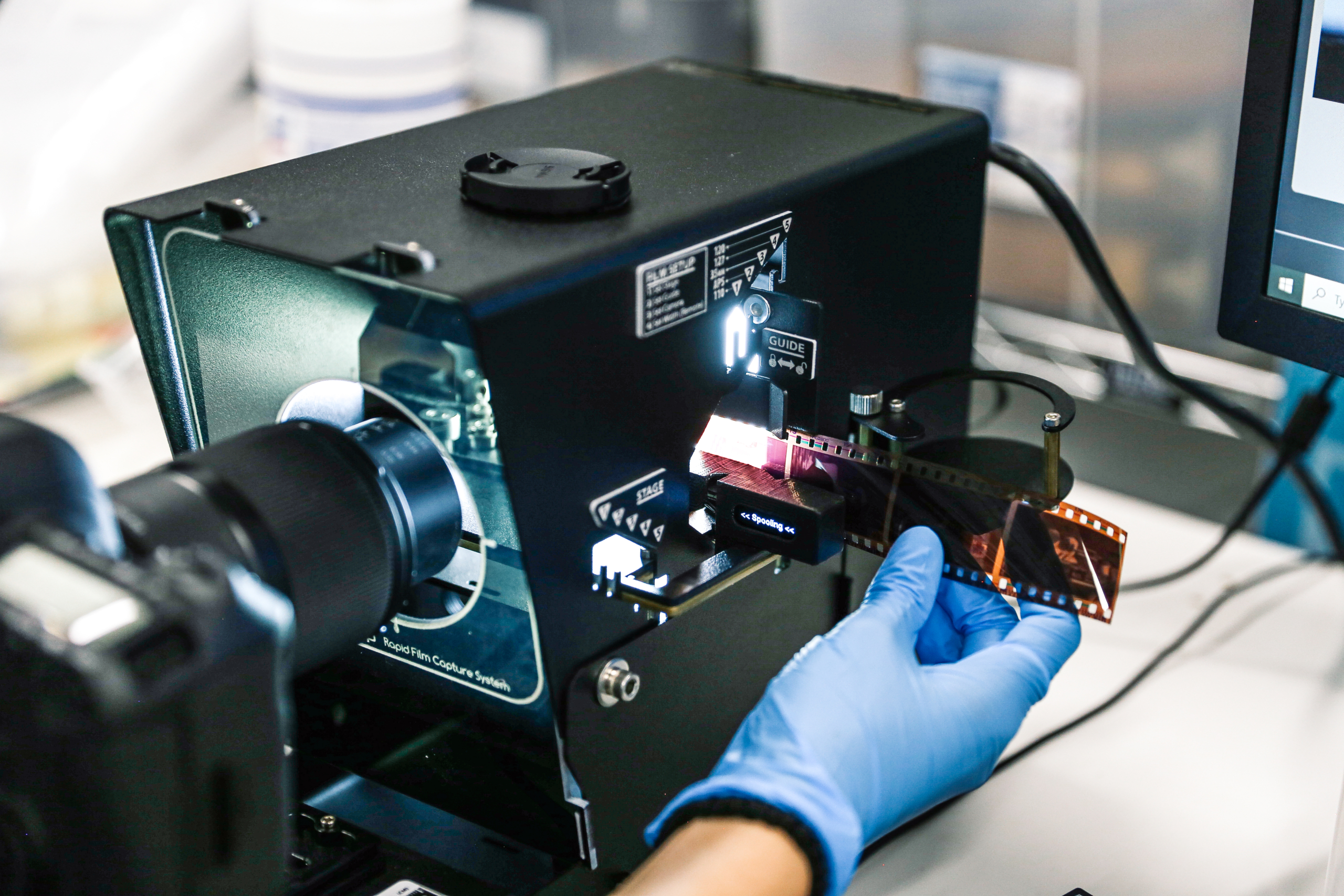
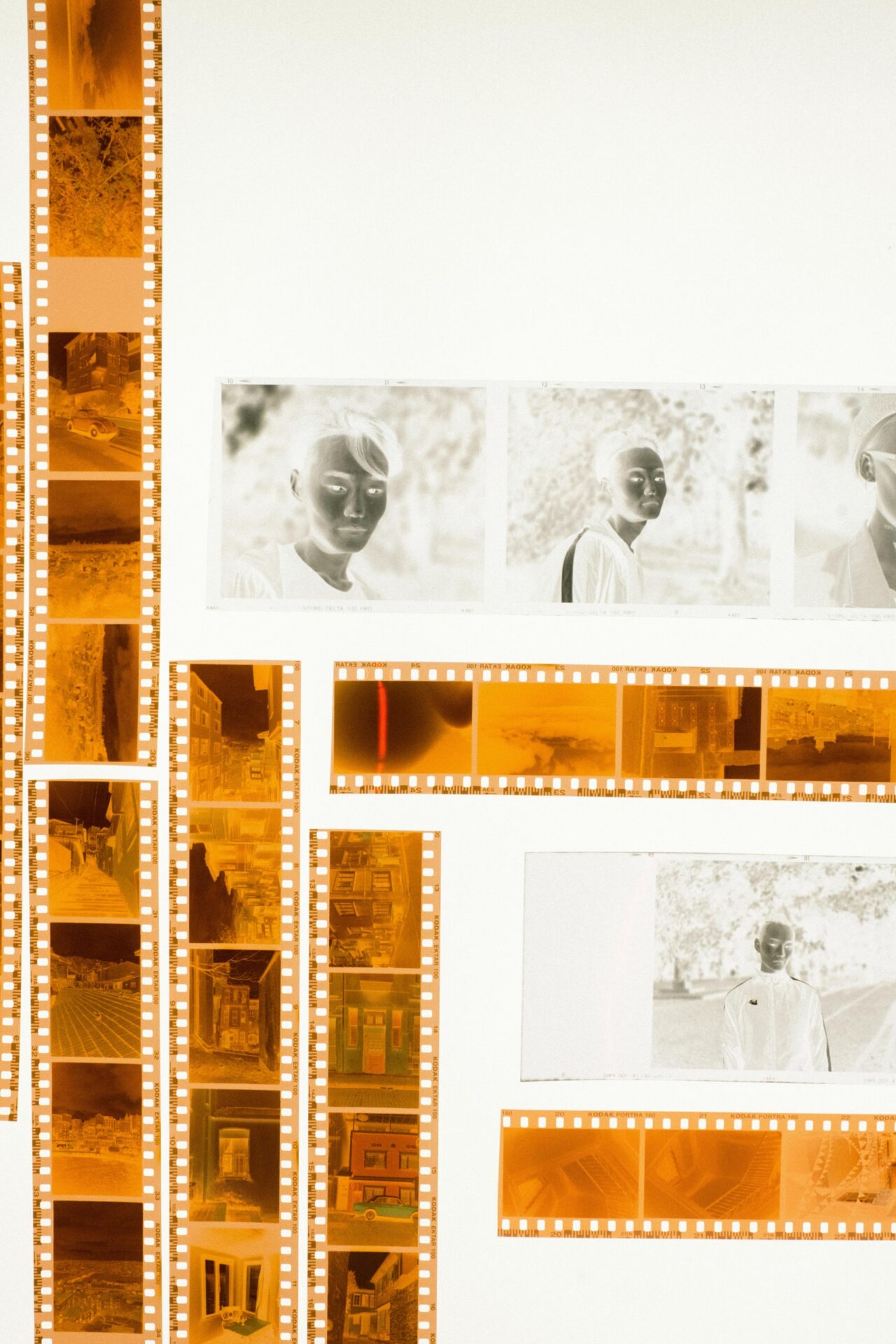
At Everpresent, we help bring your 35mm negatives into the digital age with professional-quality scanning. In fact, the largest number of 35mm negatives we’ve scanned for a single project is over 100,000!
Because negatives generally contain more image information than prints, our default scanning resolution is higher than a typical photograph, delivering detail comparable to high-quality slide scans.
Preserve your memories today. Digitize your negatives and enjoy your photos in crisp, vibrant digital quality.