

IS IT BETTER TO DIGITIZE PHOTOS OR NEGATIVES?
The start of a new year has a way of prompting a clear-out. Closets get reorganized, home offices get a long-needed tidy-up, and often, in the process, dusty old photo boxes finally come down from the top shelf.
If you’re lucky (or organized), you might discover you have both the original photo prints and their negatives. That’s when a very reasonable question comes up: Is it better to digitize photos or negatives?
The short answer: it depends. The longer, more useful answer is that “better” depends on what you have, and what you plan to do with it. Let’s explore further…
SHOULD I DIGITIZE PHOTOS OR NEGATIVES?
Before choosing between scanning negatives or photos to digital, it helps to be clear on what you’re trying to achieve. Most people fall into one (or more) of these camps:
- Preservation: Creating a long-term digital backup in case the originals deteriorate or are lost
- Quality: Getting the best possible image for reprints
- Convenience: Making photos easy to organize and share
- Creative control: Having the flexibility to edit, restore, or reinterpret images
There’s no universal “right” answer. What’s better for archival preservation may not be what’s best for someone who just wants to hang old family photos on the wall.
It’s also worth acknowledging that “better” depends on the condition of the original prints and negatives, how you’ll use the digital files (archival storage, social sharing, reprinting, family history projects), and whether you’re digitizing them at home or through a professional service.
With that in mind, let’s look at the pros and cons of each option and find out whether it’s better to scan photos or negatives for your specific needs.
THE BENEFITS OF DIGITIZING NEGATIVES
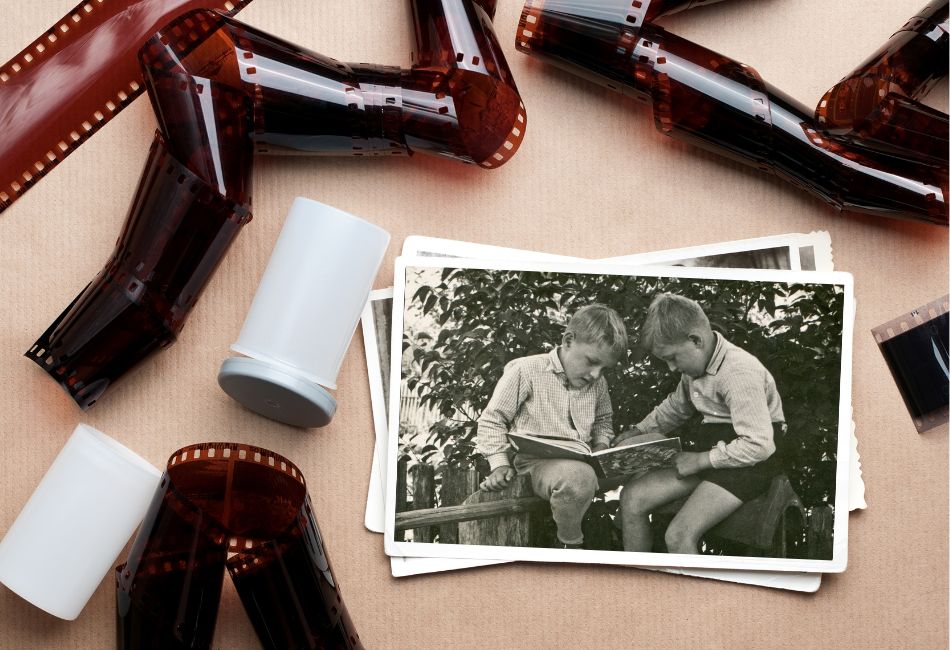
If you choose to digitize your old negatives, you can:
CAPTURE THE BEST IMAGE QUALITY POSSIBLE
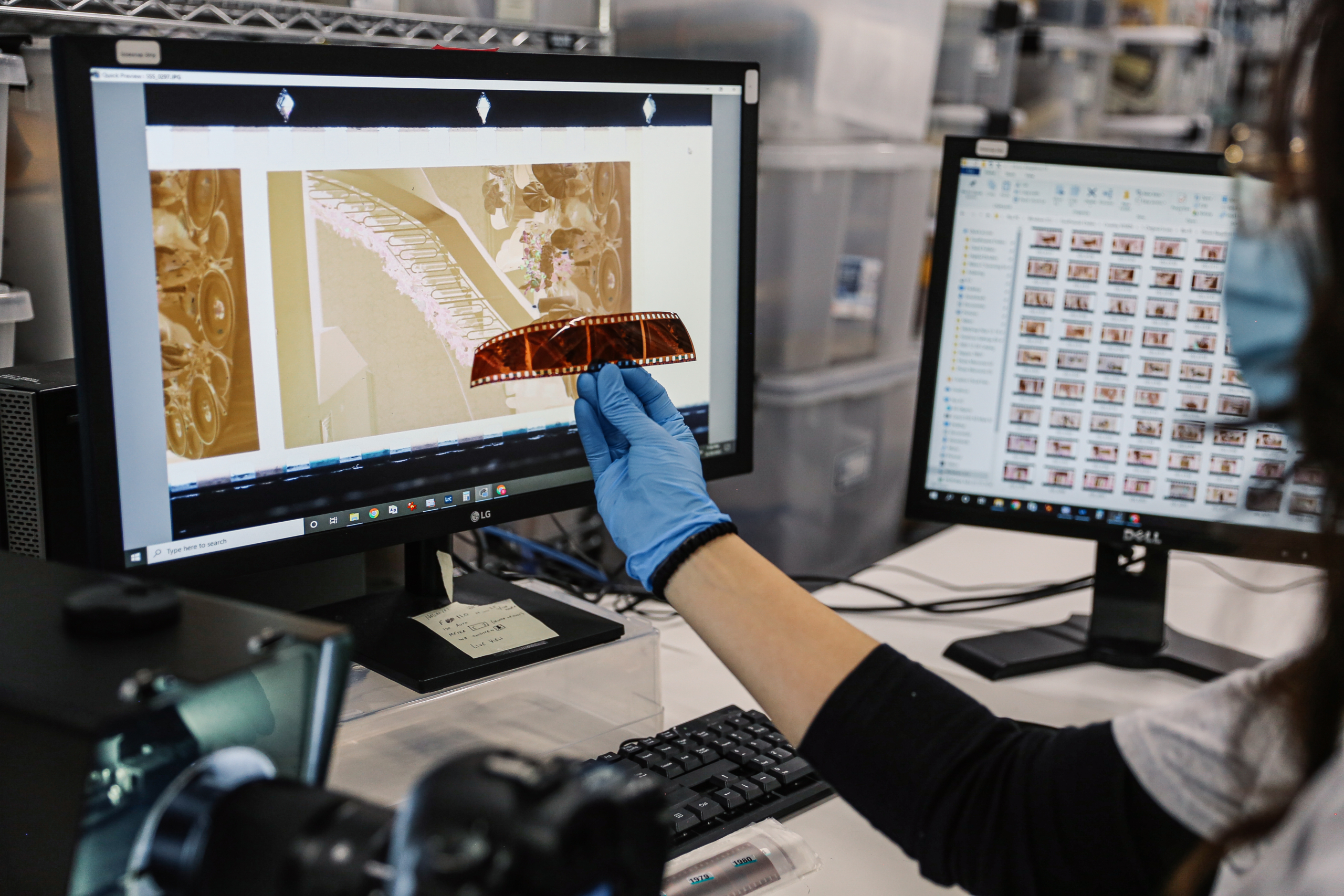
Film negatives typically contain more image information than photo prints. When photos were originally developed, labs made technical decisions that permanently shaped the final print.
Professional negative scanning can often extract:
- More highlight and shadow detail
- Subtle textures that were never visible in the print
- A wider tonal range overall
In many cases, the digitized image from a negative can actually end up being better quality than the original photo print.
SHAPE THE FINAL IMAGE YOUR WAY
Because negatives haven’t been “interpreted” into a finished image yet, they offer more room to adjust things like tonal balance, highlight recovery, shadow detail, and accurate color correction based on the original capture.
This flexibility is especially valuable for photos that were under- or over-exposed when printed decades ago.
PRESERVE YOUR PHOTOS FOR THE FUTURE
High-resolution scans from negatives give you strong digital master files.
These are really well-suited for:
- Large reprints
- Photo books
- Archival storage
- Future uses you might not have even thought of yet
If long-term preservation and versatility matter to you, negatives often provide the best starting point.
START WITH A CLEANER, MORE FLEXIBLE IMAGE
Digitizing negatives avoids decisions made years ago by photo labs (think excessive contrast, cropping choices, and color casts, which are common in older prints).
Digitized negatives give photography professionals a more neutral foundation to work from.
However, to be fair, this is also a downside for some people, which we’ll cover next.
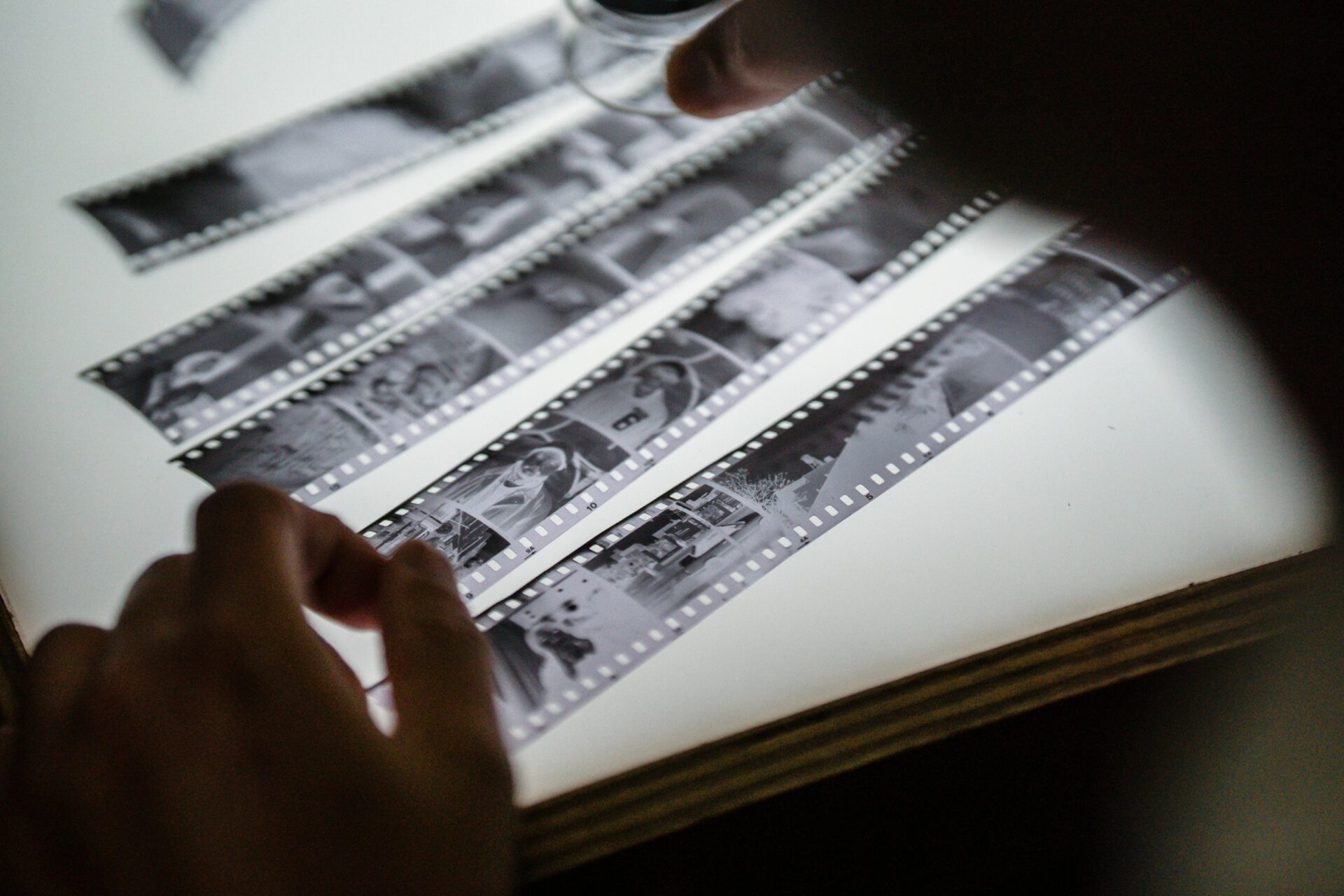
THE TRADE-OFFS OF DIGITIZING NEGATIVES VS. OLD PHOTOS
THE IMAGE IS RE-INTERPRETED
A digitized negative may not look exactly like the photo you remember. Professional technicians may aim for accuracy rather than nostalgia, leading them to color-correct some aspects of the image and play with the exposure.
That can sometimes differ from the warmer, higher-contrast look of an old print. For some families, the print itself is the memory.
CONDITION REALLY MATTERS
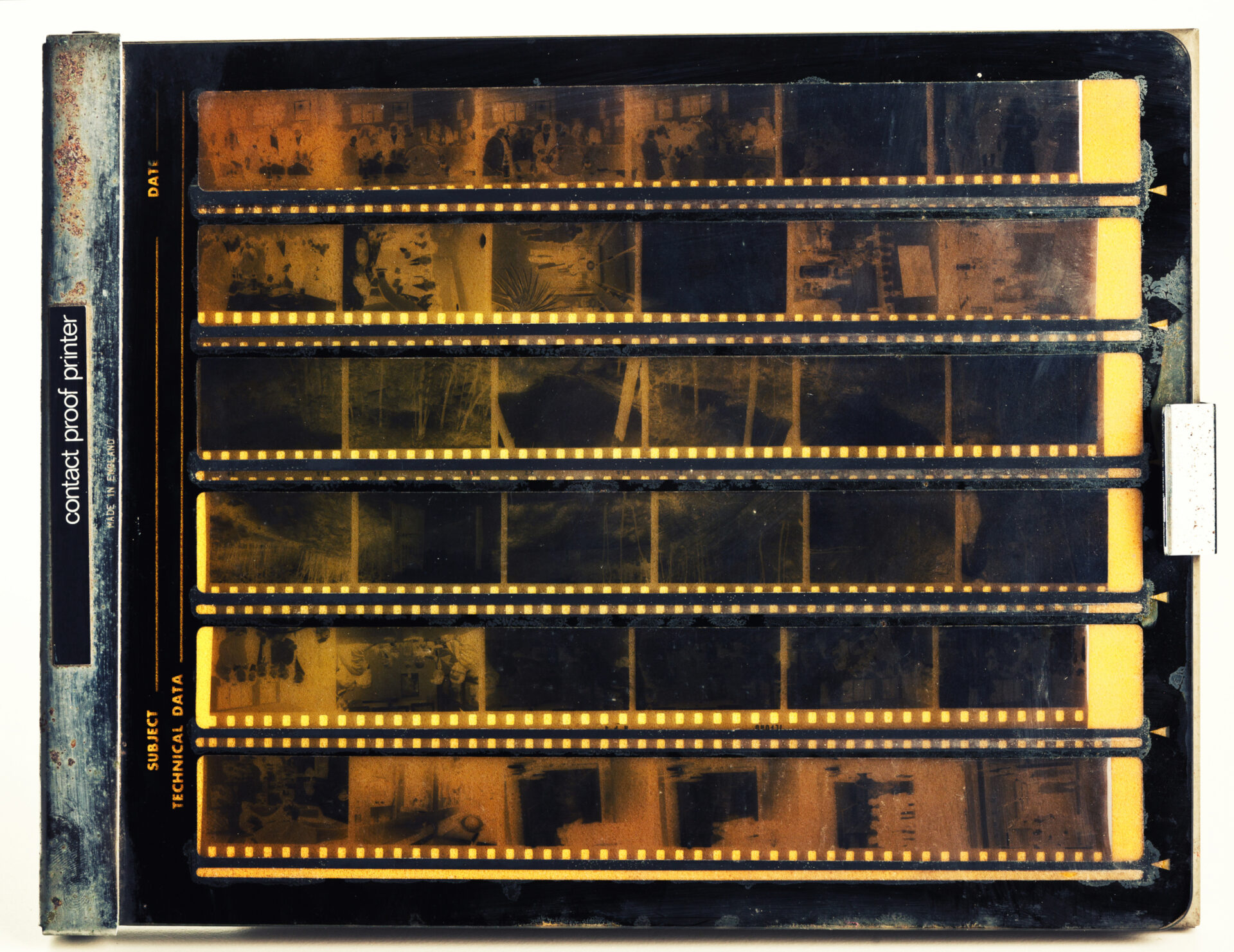
Negatives are fragile. Poorly stored negatives can experience fading, mold, warping, and chemical deterioration, like vinegar syndrome.
Any of these can limit what’s recoverable from your negative. Severely damaged negatives may require restoration work, and in some cases, your old prints may actually be in better shape.
SCANNING NEGATIVES CAN BE MORE COSTLY
Negative scanning is often more complex than print scanning. It may involve manual corrections, additional restoration, and the need for higher-resolution capture.
As a result, it can cost more per image than digitizing photo prints.
THE BENEFITS OF DIGITIZING OLD PHOTOS
If you choose to digitize your old prints, you can:
PRESERVE THE PHOTOS THE WAY YOU REMEMBER THEM
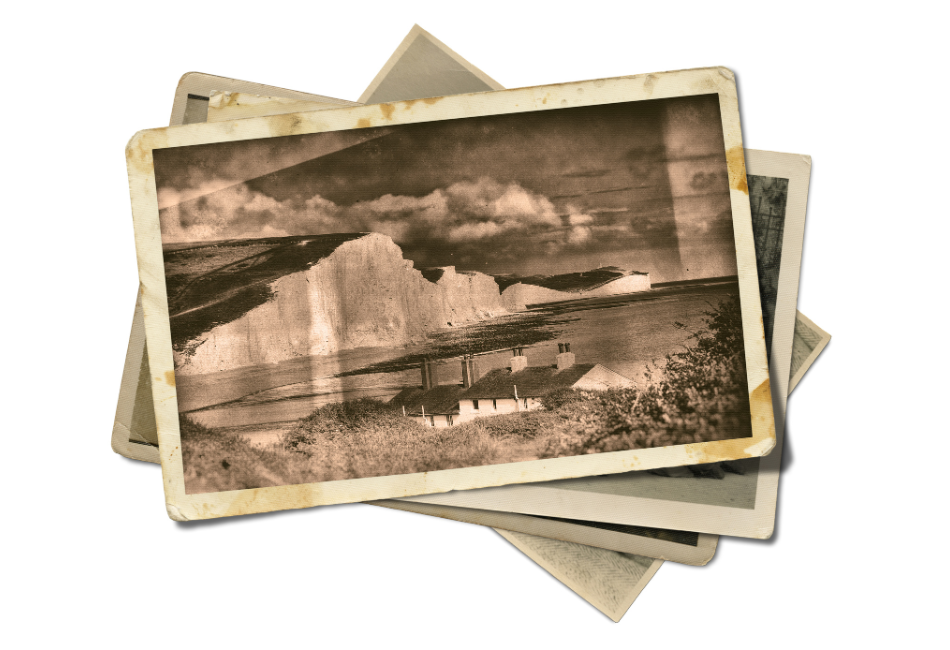
A photo print reflects how an image was historically seen and shared. The colors, contrast, and cropping were already “decided,” and for many people, that’s exactly what they want preserved.
You get a strong sense of nostalgia from digitized prints that you may not get from negatives.
CAPTURE THE PHOTO AS A PHYSICAL OBJECT
Old photos are physical artefacts. Scanning prints preserves everything from borders and signs of aging, to the texture and paper types, and even handwritten notes or dates.
For family history projects, storytelling, or archival albums, these details can be just as meaningful as the image itself.
ACHIEVE PREDICTABLE RESULTS
With print scanning, what you see is largely what you get. The digital file will closely resemble the physical photo, making it easier to manage expectations, especially when you’re planning to share with relatives.
KEEP COSTS MANAGEABLE FOR LARGE COLLECTIONS
In many cases, scanning prints is simpler and more affordable than scanning negatives, particularly when large collections are involved.
THE TRADE-OFFS OF DIGITIZING OLD PHOTOS
There are, of course, some downsides to digitizing old photos, too.
LESS DETAIL
This can limit large reprints, heavy edits, and cropping flexibility. To put it simply, prints simply don’t contain the same depth of data as negatives. If you want to do more than just put old photos in an album or hang them on the wall, this could be a limitation.
DAMAGE BECOMES PART OF THE SCAN
Scratches, fading, discoloration, and dust are captured exactly as they appear unless extra restoration work is added.
While professional restoration can help, it’s still constrained by the quality of the original print.
SO, IS IT BETTER TO DIGITIZE PHOTOS OR NEGATIVES?
Is it better to scan negatives or photos? Again, “better” is relative.
Negatives are often the best choice if your priority is:
- Archival preservation
- High-quality or large reprints
- Long-term digital collections
This is because professionals can usually extract more detail and flexibility from negatives than was ever visible in the original prints.
Meanwhile, prints are often the better choice if you prioritize:
- Emotional or historical authenticity
- Preserving the image as it was originally seen
- Family storytelling and context
- Situations where the print is in better condition than the negative
In many real-world cases, the best solution is a mix: digitizing negatives for key images and prints for others.
ASK THE PROFESSIONALS
Luckily, you don’t have to decide between scanning negatives or photos to digital alone. EverPresent digitizes both negatives and old photos. Our team can help you assess the condition of your originals, your goals for the collection, and which format will give you the best result for each image
If you’re staring at a box of photos and wondering where to start, speak to us today. We’ll help you choose the right source format, so you can preserve your memories with confidence, not guesswork.