
Written by Erica Scoppettuolo
If you’ve held on to your old collection of VHS tapes for all these years, you’re probably wondering where to watch VHS recordings in a world that’s long moved on from cassette players and bulky TVs.
VHS tapes were once the heart of home entertainment. They were how we recorded and rewatched special moments, and gathered for movie nights with loved ones. But today, it’s not always as simple as slotting your VHS tape into a machine, hearing that familiar whirr, and pressing play.
Whether you’re trying to relive a childhood memory or watch VHS movie classics you can’t find on streaming platforms, this guide walks you through your options (with and without a VCR) and explains the simplest way to bring your beloved tapes back to life.
HOW TO WATCH VHS TAPES
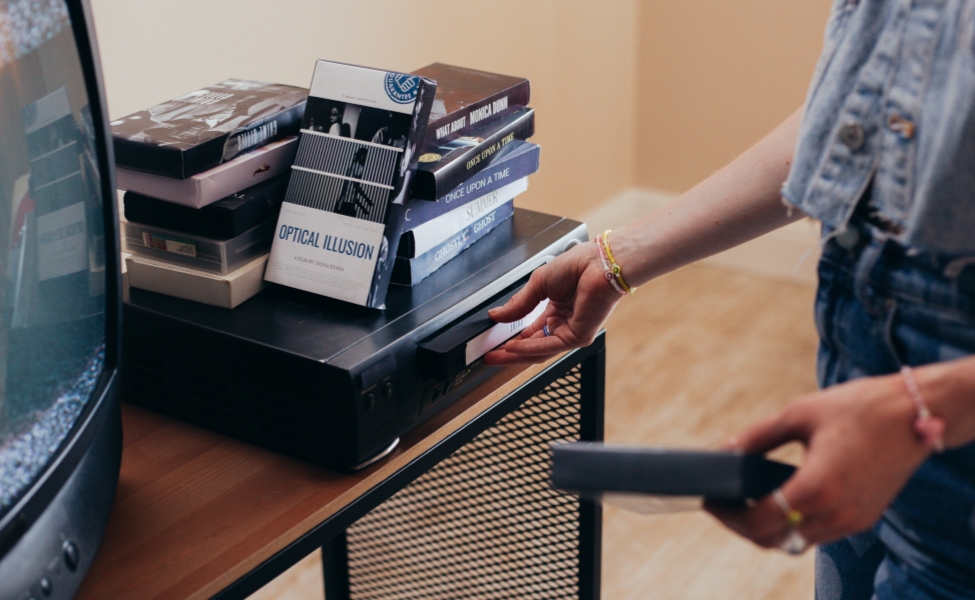
If you’re wondering where to watch VHS tapes, the most straightforward answer — and the one you may already be familiar with — is this: use a VCR.
A VCR (Video Cassette Recorder) is designed specifically to play VHS tapes. It reads the magnetic tape inside the cassette and converts the recorded signals into audio and video that display on your television.
VCRs were household staples from the late 1970s through the early 2000s. You’d insert the tape, press play, and the machine would mechanically pull the tape across a rotating video head to read the recorded information. It’s a surprisingly elegant piece of technology, though it is very much of its time. You don’t often see them set up in people’s lounge rooms these days.
However, if you do still have a VCR in working order (or know where to find one), you’re in luck. This is the easiest way to watch VHS tapes exactly as they were intended.
CONNECTING A VCR TO AN OLDER TV
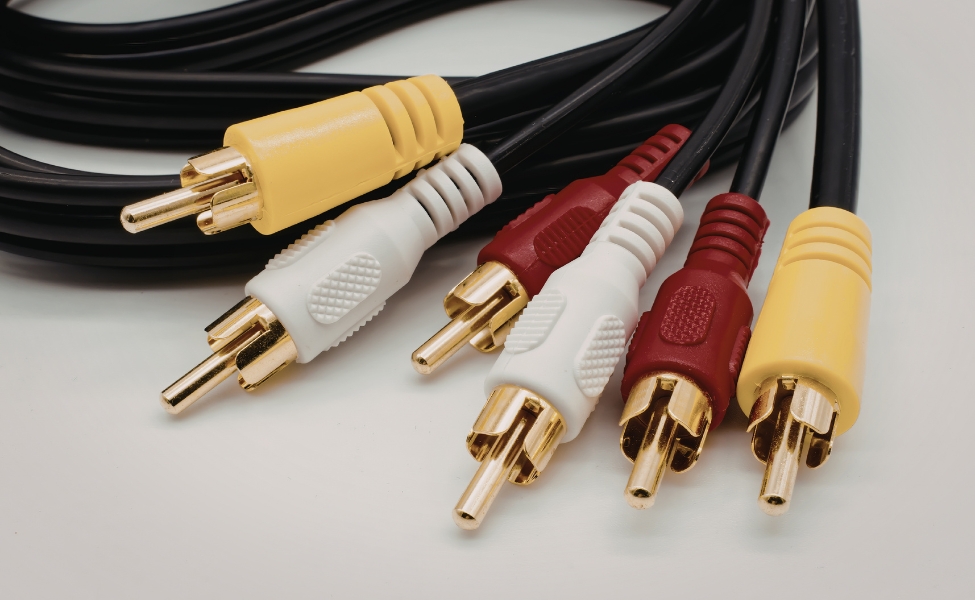
Older televisions (particularly CRT models) typically have RCA composite inputs (red, white, and yellow cables) or a coaxial “RF” input.
Most VCRs were built with these connections in mind. Simply connect the RCA cables from the VCR to the matching colored ports on your TV, or use a coaxial cable to connect via the antenna input. Switch your TV to the appropriate input channel, insert your tape, and press play. Done!
This setup is the simplest way to watch a VHS tape if you’re lucky enough to still own this legacy equipment.
CONNECTING A VCR TO A MODERN TV
Modern flat-screen TVs rarely include RCA inputs, as most rely on HDMI connections instead. If your TV doesn’t have the red, white, and yellow ports, you’ll need an RCA-to-HDMI converter.
If you’ve been searching for how to watch VHS tapes on a smart TV, this is typically the most practical solution.
Here’s how it works:
- Plug the VCR’s RCA cables into the converter box
- Connect an HDMI cable from the converter to your TV
- Power the converter (many require USB power)
- Switch your TV to the HDMI input
That’s it! You can now watch VHS movies on your smart TV.
HOW TO WATCH VHS TAPES WITHOUT A VCR
Here’s the reality, though: VCRs are getting harder to find. They haven’t been manufactured in years. Working models are increasingly rare, and secondhand units may have worn belts, dirty heads, or mechanical issues that can damage tapes.
So if you’re wondering where you can watch VHS without tracking down out-of-date hardware, there are other options.
DVD/VCR COMBO PLAYERS
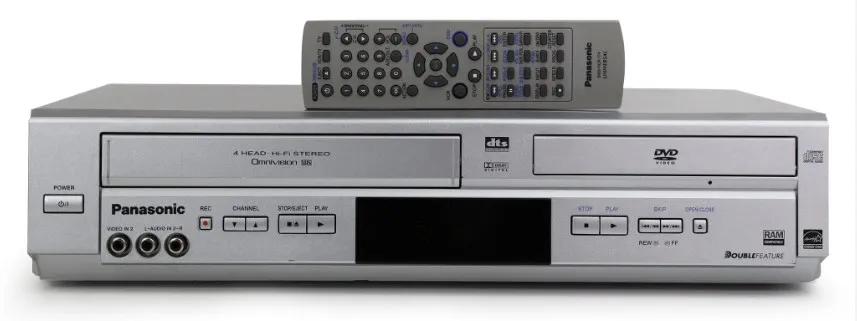
DVD/VCR combo units were popular during the transition from tape to disc, when both DVDs and VHS tapes were in use. These devices include both a DVD player and a built-in VCR in one unit.
They connect to modern TVs more easily than older standalone VCRs and are often more reliable. If you can find one in good condition, this can be a practical middle-ground solution for watching old VHS tapes.
However, like standalone VCRs, these are no longer produced and can be costly on the resale market.
TVs WITH BUILT-IN VCR PLAYERS
Some older televisions came with integrated VCR players. These all-in-one units were common in the late ’90s and early 2000s.
If you happen to have one in storage, it’s an easy way to solve the whole “VHS: where to watch?” dilemma — no extra cables required. But like VCRs, these TVs are old and often bulky, with picture quality far below modern standards.
DIGITIZING TAPES
Here is where things get much easier and safer.
Digitizing converts the analog footage stored on your VHS tape into a digital video file. Once converted, you can:
- Watch on a smart TV
- Stream from your computer
- Store in the cloud
- Share with family
- Edit clips
- Preserve your memories long-term
If you’re wondering where to watch VHS in a way that doesn’t involve outdated hardware, digitization is the most future-proof answer. Once your tapes are digital, you can play them on virtually any modern device — solving the question of where to watch VHS tapes without juggling cables or aging players.
It also eliminates the mechanical wear that happens every time you play a physical tape. VHS tapes degrade over time, and repeated playback increases the risk of damaging your memories.
WE CAN DIGITIZE YOUR VHS TAPES
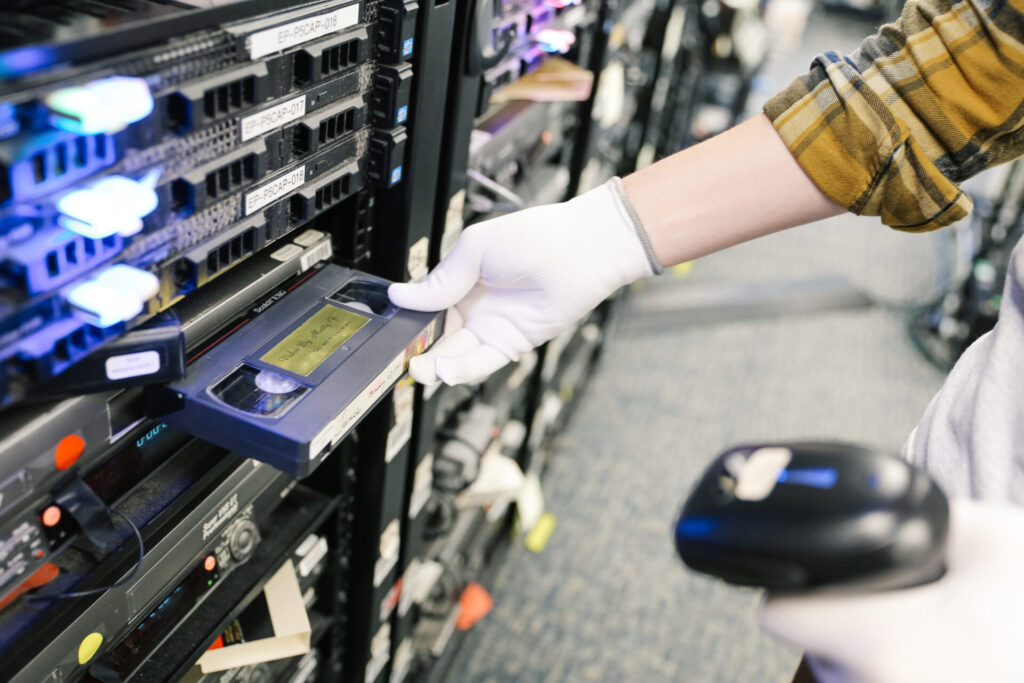
At EverPresent, we specialize in safely converting VHS tapes into high-quality digital files, so you can stop worrying about where to watch VHS and start enjoying your videos again.
Our process is designed to protect delicate old tapes while delivering clean digital playback. If you’ve been wondering how to watch VHS tapes without the stress, digitizing is the simplest path forward.
Let EverPresent help you bring your treasured moments into the digital age, safely, professionally, and ready to watch anytime, anywhere. Get in touch today.
Key Takeaways
- To watch VHS tapes, use a VCR, which decodes the magnetic tape for playback.
- For older TVs, connect the VCR with RCA cables or coaxial input. For modern TVs, use an RCA-to-HDMI converter.
- DVD/VCR combo players can serve as a practical solution for watching VHS tapes, but they are hard to find.
- Digitizing your tapes is the best way to enjoy them on modern devices and helps preserve their quality long-term.
- EverPresent can digitize your VHS tapes into high-quality digital files for easy viewing.